
This story is only available to subscribers.
Register now to read our articles.
Cancel or pause anytime.
The Most Curious of all Curiosity Cabinets is a Bottle of Wine
THE MOST CURIOUS OF ALL CURIOSITY CABINETS IS A BOTTLE OF WINE
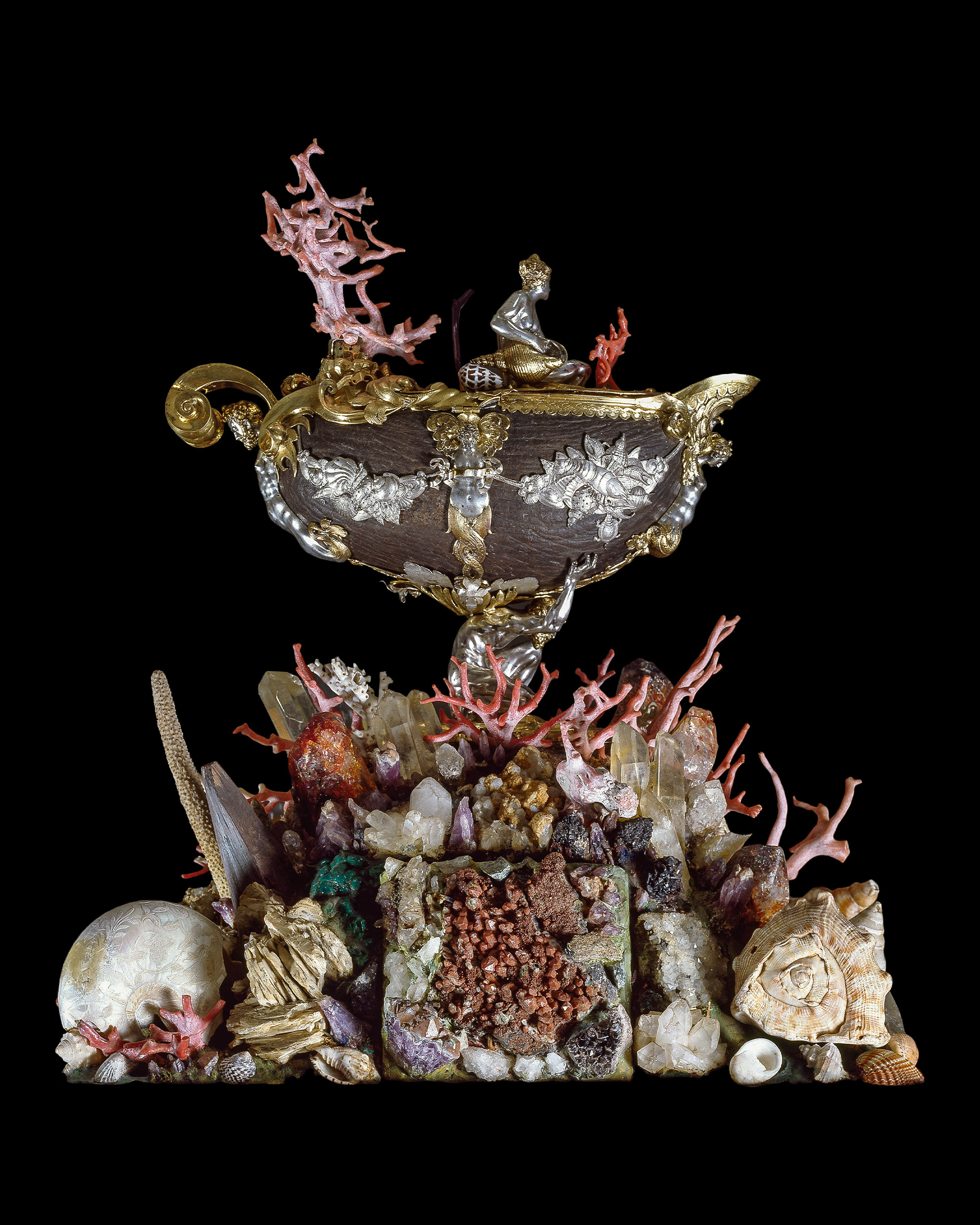
Ella Capaldo, Pietro MercoglianoLocked inside the cabinets and display cases of a Wunderkammer, or Cabinet of Curiosities, the world’s treasures whisper of a vanished age: a time when narwhal tusks, now skillfully mounted inside a Renaissance vitrine, cut through the icy waves of northern seas as a living appendage; when coral, now the branching crown of a monstrance of lapis lazuli and enamel, spread its growing arms across the seabed of southern waters; when agates and malachites lay encased in the hard earth; when an ivory fan fluttered in the ivory hands of a lovely matron. Now all these things have converged here, in the rooms of an inquisitive collector intent on gathering and collecting the entire world – or at least everything in it that arouses his curiosity. For that’s all a cabinet of curiosities really is: a catalogue of the world, and above all of the world’s oddities. These strange objects, assembled in a room – or a succession of rooms – are precious by virtue of the circumstances that produced them: a particular suit of ornamented armor because it once belonged to the Emperor Maximilian; a certain chased-steel firearm because the Emperor Rudolf once carried it; this clock because it was presented to Napoleon; that sacrificial tripod because it was commissioned by Alexander the Great. Nautilus shells are precious because they traveled the seas, and charred pieces of wood are revered because the lightning bolt that blackened them predates Palladio’s villas. An object’s power to evoke a story is what makes it unique, and perhaps also what makes it beautiful; it is certainly what makes it a curiosity.