
This story is only available to subscribers.
Register now to read our articles.
Cancel or pause anytime.
Sundials and the Architecture of the Sky
Daylight Time
We Count Only Sunny Hours
Poldi Pezzoli: Milan’s Jewel of a House Museum
DAYLIGHT TIME
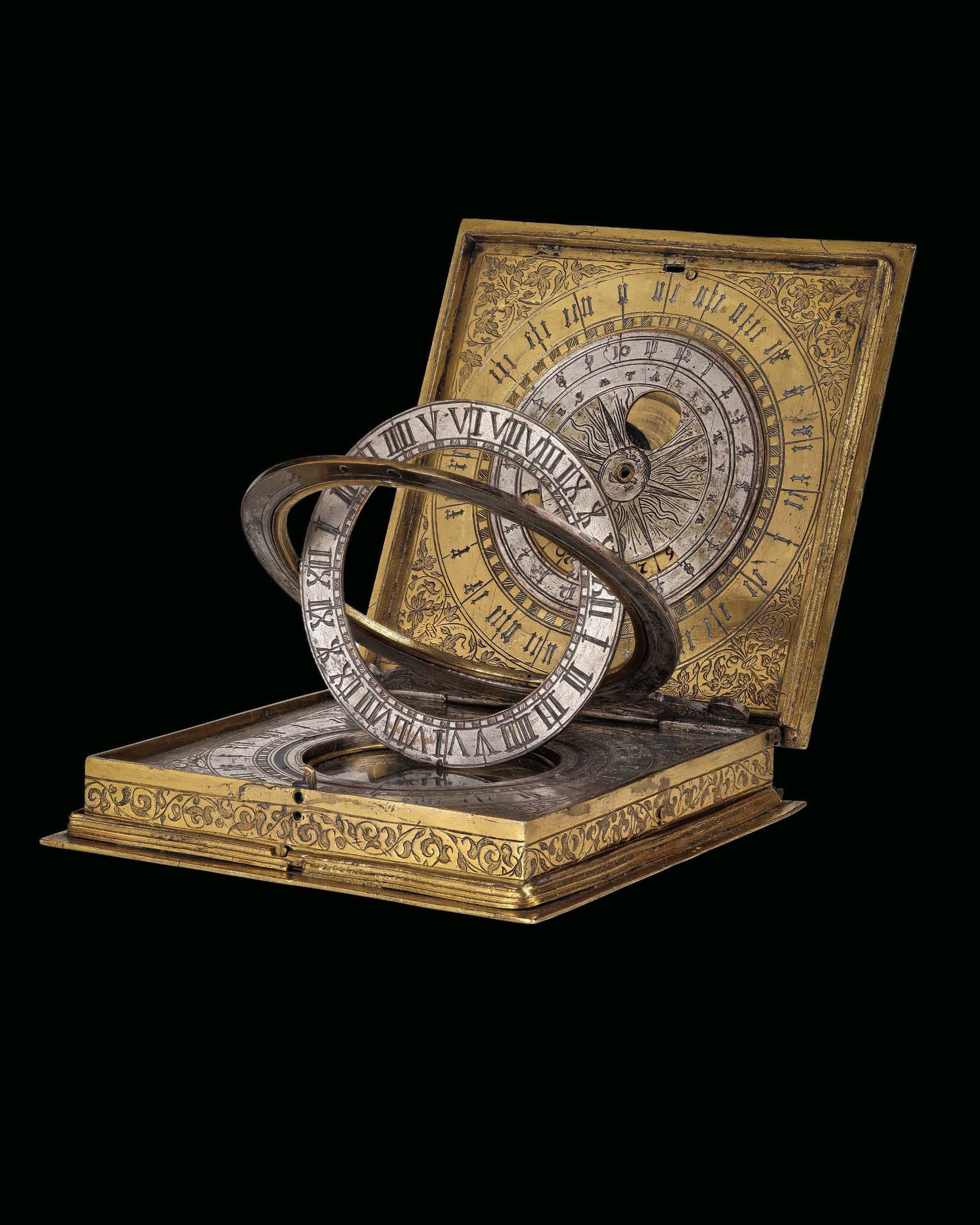
Stefano SalisA stopped clock may be right twice a day, but a sundial inside a museum never tells time at all. What even is time, for a sundial locked up where the sun doesn’t shine? In Milan’s Poldi Pezzoli Museum, alongside paintings by Hayez and Pollaiolo, an elegant vitrine decorated with astronomical motifs houses a collection of vintage and antique sundials assembled by the grand Milanese architect Piero Portaluppi, known most recently for the building seen in Luca Guadagnino’s I Am Love. Portaluppi also designed his own sundials, proudly bucking the trend in an age of loudly ticking clocks and watches. But whether timepieces tick and tock or simply flicker on a screen, they still count minutes as mere abstractions. Only sundials mark time as a real thing, a direct expression of astronomical interactions: when the Sun’s rays meet the Earth’s curve, the gnomon marks the exact angle with its shadow. Thus time is told. Portaluppi wrote that “a gnomon is a conversation with the sun.” For the ancients, the Hours were the cast of an ongoing play and each hour stretched or shrank to fit the day’s length. Every blade of grass, every tree and house was a gnomon on the Earth’s great sundial face.


